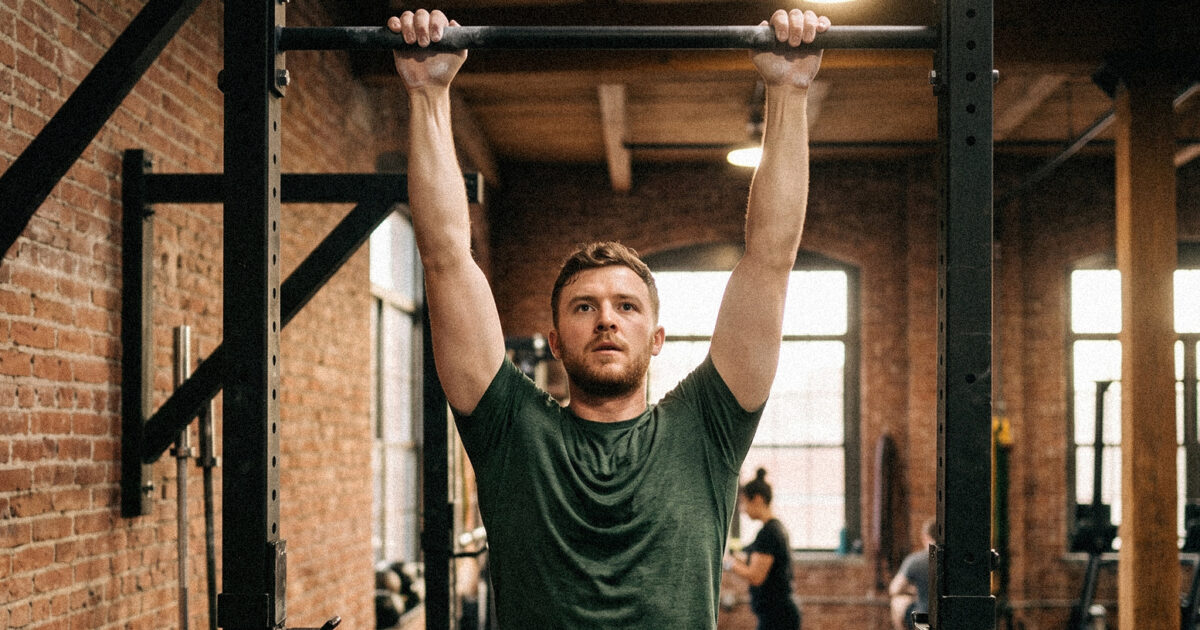
GLP-1s are changing gym culture by making strength training a bigger part of the conversation around weight loss, health, and long-term fitness. As more people use medications such as Ozempic and Wegovy, gyms are seeing growing interest in resistance and strength training, not just cardio. The main reason is simple: losing weight can also mean losing muscle, and strength training helps prevent it.
GLP-1s: a game changer
If 10 years ago someone told you that a weight-loss pen would become one of the biggest health conversations in the world, you would probably think it sounded like something out of a science fiction movie.

Then came names like Mounjaro, Wegovy, and, of course, the infamous Ozempic. In simple terms, these medications mimic a hormone in the body called GLP-1, which helps regulate appetite and blood sugar. They can slow down how quickly the stomach empties, help people feel fuller for longer, and reduce food cravings.
Medicine and gyms: a long-standing relationship
Fitness culture has always followed what health science tells us. Cardio became a major part of exercise culture when people started understanding its benefits for heart health.
The same happened later with strength training: as research highlighted its role in bone health, ageing, and long-term wellbeing, gyms shifted their approach to include more weights.
How gyms are adapting to GLP-1s
Historically, exercise has been viewed as a weight-loss tool, and gyms have long reflected that. Weightlifting and strength training were always there, of course, but for many people, losing weight has remained one of the main reasons to join a gym.
However, GLP-1s are changing that conversation. If medication is already supporting weight loss, the gym can take on a different role. More about building strength, preserving muscle, improving health, and creating routines that actually last.
How to start strength training
If GLP-1s are changing the way people think about fitness, strength training is a good place to start. It does not need to be complicated, but it does need some structure.
1 – Choose the right exercises
Focus on movements that work major muscle groups. Squats, rows, presses, deadlifts, and pulls are good examples because they train several muscles at once and improve your overall strength.
2 – Track your workouts
Write down the exercises, weights, sets, and reps you complete. This helps you see progress and know when it is time to tweak it to ensure you don’t hit a plateau.
3 – Progress gradually
You do not need to lift heavy from day one. Increase weight, reps, or difficulty over time, and let your body adapt. It’s what we usually call progressive overload.
4 – Make recovery part of the plan
Resting is just as important as the workouts to building strength. So, listen to your body, add protein to your meals and include rest days in your routine to allow your muscles time to repair and grow.
5 – Ask for help
If you’re still lost, our external personal training partners are happy to help. They can help you build a routine that fits your goals, experience, and confidence level.