Not all animals can grasp objects the way humans do. It’s a simple ability, but one that sets us apart. In fact, it shows up right from the early stages of our lives. Place a finger in a baby’s hand, and you’ll feel how instinctively they hold on. This ability is known as the palmar grasp reflex, an involuntary response that highlights just how natural gripping is to us — something only humans and some primates can do.
That ability doesn’t disappear as we grow older, but people don’t cheer you for it the way they do with babies — even though they probably should. Grip strength might seem like a given, a small detail, yet it plays a much bigger role than most people realise. From everyday tasks to overall strength and even long-term health, it’s a foundation worth paying attention to. Here are 4 benefits of grip strength and why it matters.
Benefits of grip strength
1 – Improves your performance in the gym
As you’ve probably noticed by now, many exercises depend on your ability to hold on. From deadlifts to pull-ups, your grip is often the limiting factor. Strengthening it allows you to lift heavier, train longer, and get more out of each workout.

2 – Makes everyday tasks easier
No more losing to a jar. Carrying groceries, opening jars, or holding onto objects all rely on grip strength — it’s one of those things you only notice when you need it. A stronger grip makes everyday life easier.
3 – Increases joint stability and helps prevent injuries
Stronger hands and forearms help support your wrists and elbows. The added stability reduces the risk of strain, both in training and in everyday movements.
4 – Improves the connection between muscles and your brain
Grip strength isn’t just about pure strength. It’s also a sign of how well your brain and muscles work together. A stronger grip often means your nervous system can activate muscles more effectively to produce force.
Why is your grip strength so important?
If grip strength still feels like a small detail, it might be worth looking at it differently. Studies have shown that weaker grip strength is linked to a higher risk of serious health issues, including heart attack and stroke. In some cases, it has even been considered a stronger indicator of overall mortality risk than factors like blood pressure.
It doesn’t stop there. Lower grip strength is associated with conditions such as osteoporosis, diabetes, and obesity, as well as a higher risk of falls and age-related muscle loss. There are even links to cognitive decline.
How to improve it
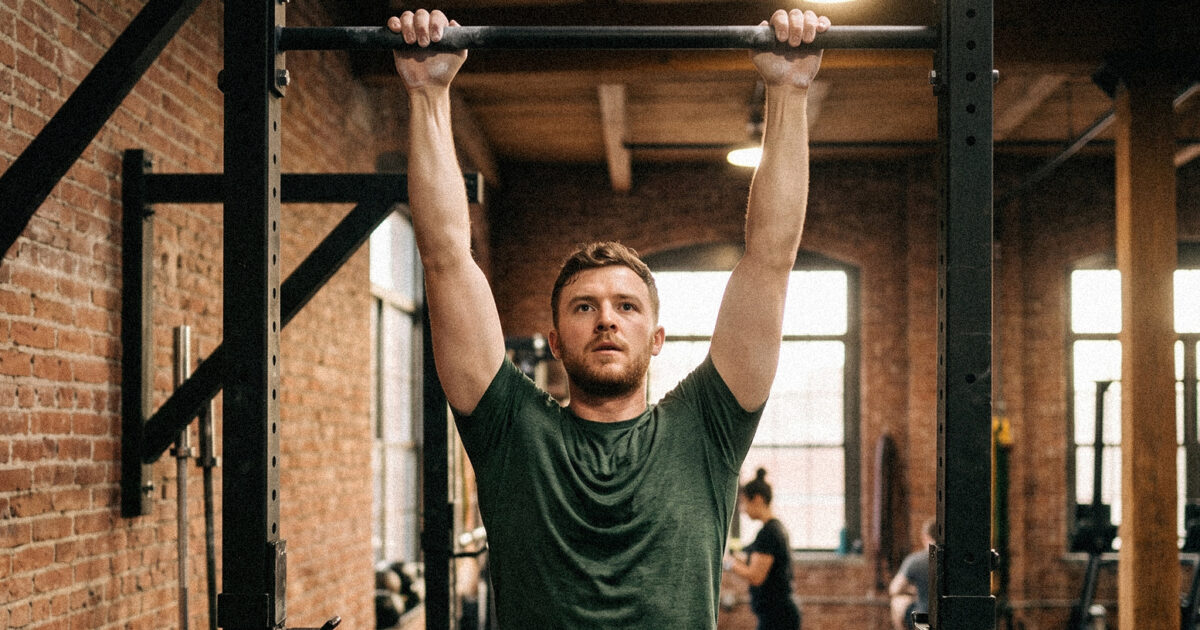
Start by including exercises that challenge your hold. Dead hangs, farmer’s carries, and heavy lifts are all effective options. Slowing things down also helps: holding weights for longer, adding pauses, or increasing time under tension will naturally improve your grip.
Outside the gym, simple methods can still make a difference. One example is wringing out a wet towel. Twist it as hard as you can, alternating directions.
The important thing is that you don’t neglect it. The stronger your grip, the better your chances of staying capable, resilient, and independent over time.